

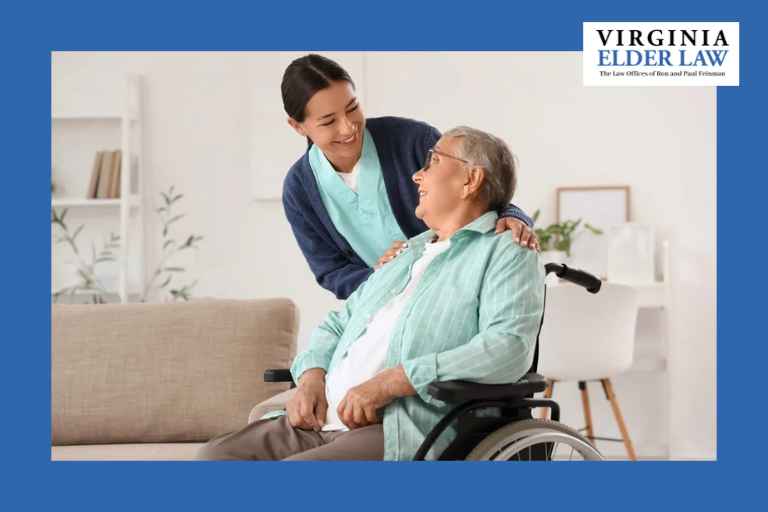
If your husband or wife served during a wartime period, the VA benefit that helps pay for care did not end when they died. A great many surviving spouses in Lynchburg believe it did, and understandably never ask again.
Survivors Pension with Aid and Attendance is its own benefit, with its own application. Nobody may have mentioned it to you before, and that is common. It is not too late to look into it now.
Can a Surviving Spouse Qualify for Aid and Attendance?
Yes, in many cases. The benefit helps the surviving spouse of a wartime veteran who needs another person's help with everyday things such as bathing, dressing, or eating, or who is in assisted living or a nursing home.
Two points surprise people. The care need is yours, not your late spouse's, and it does not have to have anything to do with military service. Your spouse's service does need to meet VA's wartime requirements, and you generally must not have remarried.
If you want the broader picture of how this benefit works for veterans themselves, we covered that in an earlier post on the benefit many area veterans never claim.
Why Do So Many People Assume They Do Not Qualify?
Usually because of two beliefs, and both are often wrong.
The first is "I own my home, so I have too much." The house you live in does not count toward the asset limit. Neither does your car or your ordinary household belongings. A widow who owns her home outright and lives on Social Security is frequently well under the line once the house is set aside.
The second is "my income is too high." This benefit does not look at your income in isolation. What you pay out of pocket for care can be subtracted before VA measures your income, and care is expensive. Someone who looks ineligible on paper can look very different once assisted living or in-home help enters the picture.
Neither question is one to answer in your own head. They are worth asking out loud, to someone who works with these rules.
What Can the Benefit Help Pay For?
Care, in most of the settings where it happens. The monthly payment is not restricted to a facility, which is what makes it useful across different situations:
- In-home care, including help from a hired caregiver
- Assisted living
- Memory care
- Nursing home care
The amount is not the same for everyone. VA pays the difference between your countable income and a ceiling it sets each year, so two people in similar circumstances can receive different amounts. That is one reason a quick review beats guessing.
One Thing to Avoid Before You Apply
Do not give money or property away in an effort to qualify. VA reviews transfers made in the three years before a claim, and a gift made for less than fair value can trigger a penalty period during which no benefit is paid.
There is a further wrinkle worth knowing. Virginia's Medicaid program reviews gifts going back five years, not three. A transfer that causes no problem under one program can create a costly one under the other, and many people who need care eventually need both. Sorting that out beforehand is straightforward. Unwinding it afterward is not.
Key Takeaways
- Aid and Attendance is available to surviving spouses of wartime veterans, not only to veterans themselves.
- The care need is yours and does not have to be connected to military service.
- Your home, car, and household belongings are not counted against the asset limit.
- Out-of-pocket care costs are considered, so a higher income does not automatically rule you out.
- Gifting assets before applying can delay or block the benefit, and VA and Medicaid use different look-back periods.
Find Out Where You Stand, Before You Spend Down Savings
If you are the widow or widower of a wartime veteran and the cost of care is weighing on you, it is worth finding out what you may qualify for before you start spending savings or moving money around. Virginia Elder Law, PLC helps people in Lynchburg look at veterans benefits alongside Medicaid and the rest of a long-term care plan, so one decision does not undo another. Call and talk it through with us, or request a time that works for you.
Schedule a consultation to learn more.
References: U.S. Department of Veterans Affairs (August 17, 2026) “Current Survivors Pension Benefit Rates” and U.S. Department of Veterans Affairs “VA Aid and Attendance Benefits and Housebound Allowance”